Summary
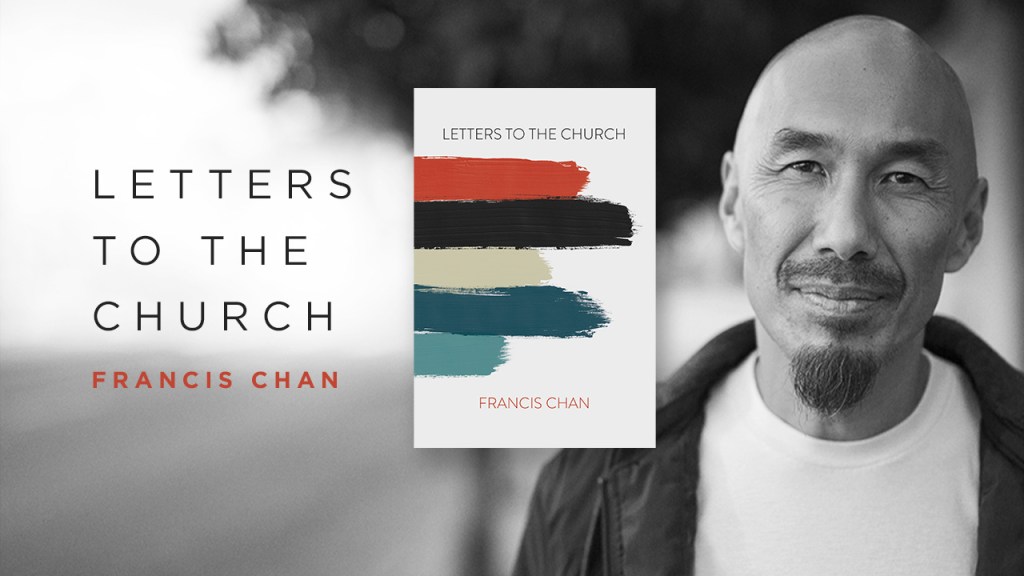
The model of the early church that we see in Acts was simple; the people devoted themselves to word, prayer, fellowship and the breaking of bread. However, by Revelation we see Jesus calling His churches back from where they have strayed. Chan writes a modern version, calling for renewal of God-centered churches that focus on spiritual growth, rather than numbers. He identifies some marks of healthy churches:
Founded on prayer and unity
Based on small-scale discipleship
Equip the laity for ministry
Share material possessions
Embrace suffering for Christ
QUOTES:
“By catering our worship to the worshippers and not to the Object of our worship, I fear we have created human-centered churches.”
“Rather than creating our own pep rallies, our calling is to simply put Him on display and watch as He draws people to Himself.”
“At the end of the day, it’s about what we produce. We can get so focused on getting people through our doors that we don’t think about what goes out. The Church’s purpose is not just to exist. It’s to produce. Are we producing mature disciples who imitate Christ by constantly serving others? Are we developing communities that are so deeply in love with one another that the world marvels?
“Jesus was very truthful and up-front about the costliness of the gospel…Becoming a Christian is a complete and total surrender of your own desires and flesh to the higher purpose of serving God’s glory.”
“I believe this generation can kill the consumer mind-set in the Church and replace it with a servant attitude that thrives on suffering for His name…be the ones who restore the missional focus of the Church.”
Here are some key verses and themes explored in the book:
Discipleship and Multiplication:
.
Chan references Matthew 28:19-20, emphasizing the call for every believer to make disciples. He challenges the idea that only certain people are called to pastor, arguing that everyone is called to disciple and shepherd others, whether older women mentoring younger women (Titus 2:3-5) or parents guiding their children (Ephesians 6:4).
Love and Unity:
.
Chan frequently points to John 13:34-35, where Jesus commands his followers to love one another as he has loved them. He argues that this love should be a defining characteristic of the church, a visible sign to the world.
Sacrifice and Suffering:
.
The book acknowledges the cost of following Christ, referencing Jesus’s own example of sacrifice and suffering (John 15:18-20). Chan encourages believers to embrace suffering for the sake of the gospel and to not be afraid to challenge the status quo within the church.
God-Centeredness:
.
Chan critiques the tendency towards a human-centered theology, where the focus is on making the church comfortable and appealing to people, rather than on glorifying God. He calls for a return to a God-centered theology that prioritizes His glory and His will above all else.
The Church as the Body of Christ:
.
Chan emphasizes the idea of the Church as the body of Christ, a living organism where each member has a vital role to play (1 Corinthians 12). He encourages believers to appreciate the mystery and privilege of being part of something so sacred and to serve one another with humility and love.
This book is very similar to the road Rick and I have been on in the last ten years.
We are more comfortable in a simple church setting where people are serious about hearing God’s voice and doing what He says to do in our everyday lives.
I highly recommend this book about a view of the church that is simple and doable today.
 Rick and Ellen's Notes